

Curiosity Beats Credentials
Curiosity unleashed twenty-five years of growth, opportunity, and possibility.

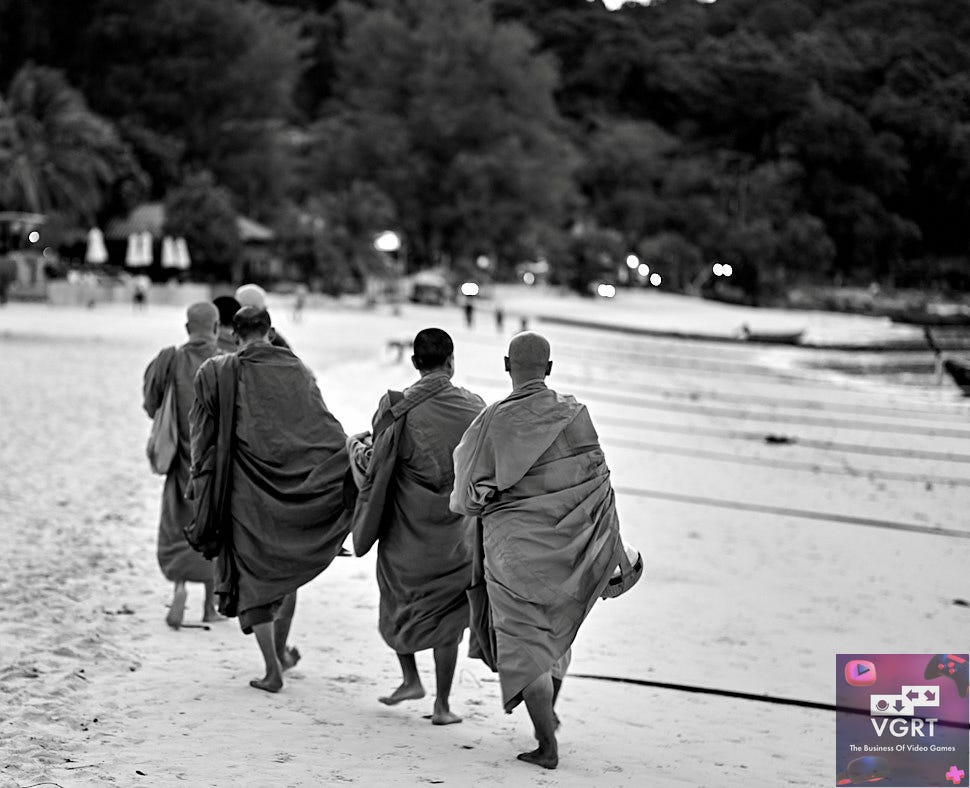
Before Streamline Studios existed, three kids from different parts of the world met on the internet because they were trying to figure out how games worked.
One was in Germany.
One split his time between Holland and Trinidad.
One was in the United States.
We had never met. We had never worked together. We had no idea that decades later we would build a company, open studios around the world, work on hundreds of projects, and spend our lives in this industry.
We were modders. That was it.
In the late 1990s, the internet was a very different place. There were no online courses. There were no influencers teaching game development. There were no AI copilots answering questions in seconds.
Most of the time, there wasn’t even good documentation.
If something broke, you had to figure out why. If something worked, you had to figure out how.
We were trading builds, assets, ideas, and feedback across continents before most people had even heard the phrase “remote work.” Looking back, it feels primitive. At the time, it felt like magic.
What connected us wasn’t geography, education, or credentials. It was curiosity. We wanted to know how games worked, so we took them apart.
That may sound obvious today, but it is worth remembering because the games industry looked very different then. Nobody was talking about personal brands. Nobody was building content strategies. Nobody was optimizing LinkedIn profiles.
Nobody cared. There was no audience. There was only the work.
Back then, there was a kind of mythology around modding. You hoped someone would notice your work. Not because you were chasing fame. Getting noticed meant you had become good enough.
The dream wasn’t influence. The dream was competence.
Build something good enough and maybe a developer would see it. Maybe they would hire you. Maybe you would get a chance. Most of us never thought much further than that.
Twenty-five years later, I think that experience taught me something important. The people who build industries are usually the people who are curious enough to reverse engineer them first.
The modding communities of the 1990s were filled with artists, programmers, designers, and creators teaching themselves skills that nobody was teaching in schools. They weren’t following a roadmap.
They were creating one.
Over the years, I have interviewed studio heads, economists, doctors, filmmakers, and entrepreneurs on Video Games Real Talk. The pattern is always the same.
None of them started where they finished. The doctor became a game developer. The artist became an executive. The modder became a founder.
The common denominator was never credentials. It was curiosity. That pattern shows up more often than people realize.
Longevity is often the ultimate competitive advantage. Most people underestimate the power of staying in the arena long enough for experience to compound.
Curiosity is one of the reasons people stay. It keeps them learning. It keeps them adapting. It keeps them moving when others stop.
I’ve written about adaptation and the importance of evolving with the market rather than fighting it. Adaptation begins with curiosity. You cannot adapt if you have stopped asking questions. You cannot grow if you believe you already have the answers.
Today, AI can answer questions in seconds that used to take us weeks to solve. Yet the competitive advantage remains exactly the same. The people who win are still the people willing to ask the next question. AI allows us to reach results faster than before while iterating endless scenarios.
The same curiosity that built mods eventually built companies. It built careers. It built investment portfolios. It built technologies. It built industries.
Once you learn to pull things apart and understand how they work, you stop being a consumer and become a builder. That lesson became even clearer when we moved to Malaysia in 2010.
What we found there reminded me of those early modding communities.
We found raw talent, raw curiosity, and people willing to learn. People willing to experiment. People willing to put in the work before anyone was paying attention.
Over the years, I would see the same pattern in Colombia, Indonesia, and throughout the Global South.
Talent was everywhere. Opportunity was not.
The people who stood out were rarely the most credentialed. They were the ones already teaching themselves, already building, already doing the work before anyone asked them to.
Years later, Shawn Layden and I would discuss the same challenge on Video Games Real Talk. The future of gaming depends on new voices entering the industry. Not because diversity is a slogan, but because creativity requires new perspectives.
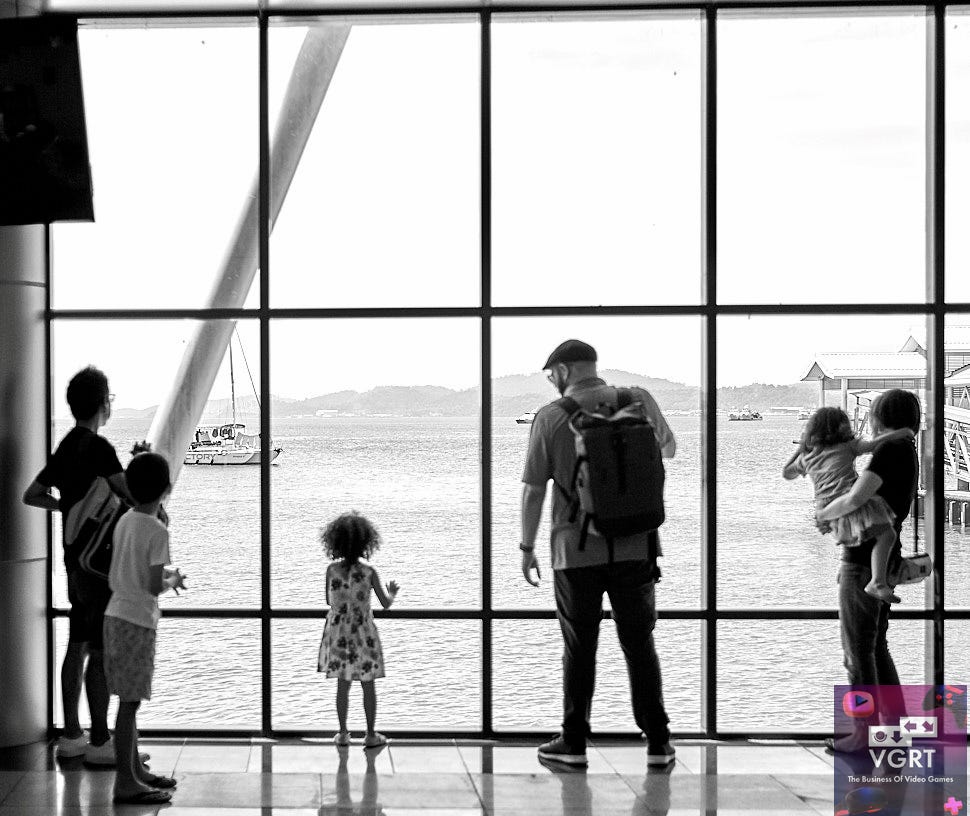
The next great studio, the next great technology, the next great idea is unlikely to come from the same places we have always looked.
One of the recurring themes that emerged across hundreds of conversations is that nobody waits for permission.
The people who stand out usually start before they are qualified. They build before they are hired. They learn before they are taught. They ask before they are invited.
Curiosity creates motion.
That observation eventually shaped how I think about hiring. A resume tells me where someone has been. Curiosity tells me where they are going. Credentials can open doors, but curiosity is what teaches people how to build them.
When I meet someone who wants to work in games, I am less interested in where they studied than I am in what they have tried to figure out on their own.
What did you build?
What did you break?
What did you experiment with?
What problem bothered you enough that you refused to leave it alone? Those questions reveal far more than any credential ever will.
Curiosity got us into the industry. Discipline kept us there. The last twenty-five years have taught me that both matter.
After all these years, I still ask the same question when I meet someone who wants to work in games.
Did you try to figure out how it works?
The answer tells me almost everything I need to know.
Photos by the Author. Koh Lipe 2019.